
Competitor Price Monitoring · New
Know Every Competitor's Price. Every Morning.
We scrape your competitors' product pages every morning, flag undercuts, price moves, promotions and stock-outs on your SKUs, and show you exactly where you're leaving margin on the table. Built for UK eCommerce. You set it up yourself in minutes.
Daily 06:00 UK time scraping
Every competitor URL you configure, scraped every morning.
Four-stage anti-block ladder
The lightest fetch first, escalating to a stealth browser, UK residential proxies, then a managed unblocker.
Six alert types, every morning
Undercut, price change, promotion, stock-out, position and seller.
Guided self-serve setup
A wizard walks you through it — live in minutes.
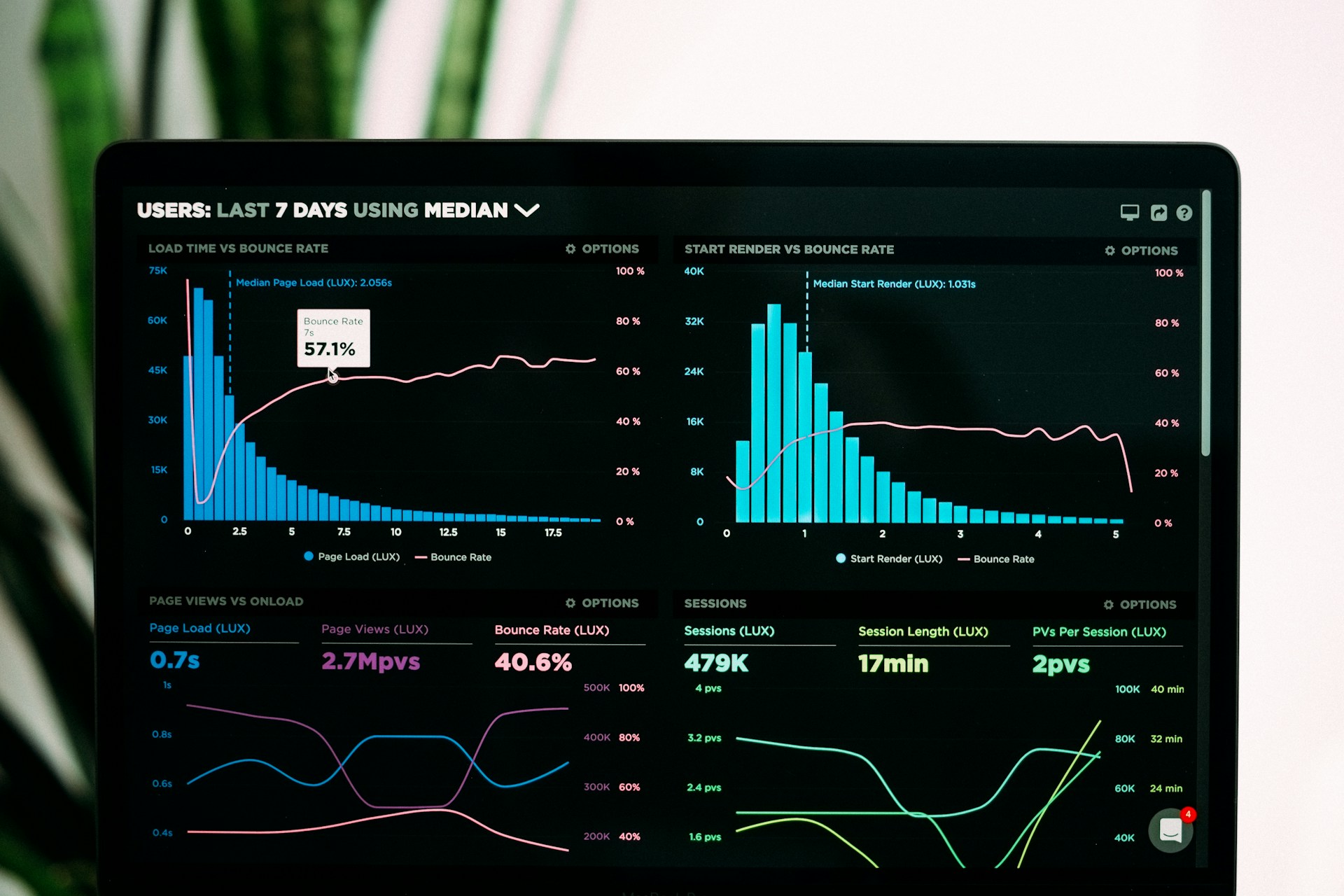
Stop Guessing. Start Pricing.
Most UK retailers react to competitor prices once they notice a revenue dip. By then, they've lost weeks of margin. This closes the gap between price change and action to under 24 hours.
Without it: you find out about competitor price drops when revenue dips, weeks later — manual checks on a few products, then back-burnered, with no data on which price changes actually moved sales, and price cuts on products that never needed them.
With Coffee Marketing Price Monitoring: daily alerts when any competitor undercuts you by 5% or more on your SKUs, all competitor prices on one dashboard every day, and market-position tracking per SKU — so you know when you're cheapest and when you're dearest.
Built for Margin Decisions.
Six features that make this more than a competitor-price dashboard. This tool is designed to change your pricing strategy, not just report on it.
Daily Competitor Scraping
Every morning at 06:00 UK time, we scrape every competitor URL you've configured. We try the cheapest method that works and escalate — stealth Chromium, UK residential proxies, then a managed unblocker — only when a site pushes back. Structured-data extraction with selector fallback. Our coverage commitment is 92% over any 30 days, and we publish what we actually hit.
Sales Impact Analysis — coming soon
Every competitor price change set against your own daily sales for the same SKU, so you can see which pricing decisions actually moved volume. Not yet available on any plan; we will tell you when it opens.
Morning Alerts
Critical alerts for competitor undercuts, promotions, and stock-outs. Daily email digest summarises what changed overnight. You know about price moves before your revenue does.
Set Up In Minutes
A guided wizard walks you through it: paste your product feed, one-click the products to watch, then add competitor URLs by hand or let GTIN-first auto-suggest find them. When a competitor redesigns their site and extraction breaks, we fix it — you never touch a selector.
Promotion Tracking
An alert when a competitor promotion starts, and another when it ends — so you know who is discounting and for how long. A promotion history view is not yet on the dashboard.
How It Works.
Four steps from onboarding to margin-defensible pricing decisions.
You name your competitors
Add 3-5 strategic competitor domains on the Manage monitoring page — the ones you actually lose sales to.
We match your SKUs to their pages
For each of your top SKUs, the wizard auto-proposes the matching competitor product URL using GTIN and title similarity. You approve the matches — one click each.
Scrape runs every morning
Each URL is fetched once per day from 06:00 UK time. Prices are captured and land on your dashboard the same morning, with alerts for promotions and stock-outs.
Dashboard + alerts + decisions
You see the full competitor price matrix and coverage in the Analyser. Alerts hit your inbox. Price decisions are backed by data.
Coming Soon: Price Sensitivity Scoring.
Most price trackers tell you what a competitor charges. This will tell you whether your customers actually care. We split each SKU's monitored window into low, mid and high price bands, compare how many units sold in each, and score how far your volume moves when your price does. That score puts every SKU in one of four bands — so you know which products can carry a rise and which need matching. It needs your own Google Ads conversion data, and it is not yet available on any plan. Where there isn't enough data to be confident, we will show the band and withhold the recommendation rather than guess.
Rigid — volume barely follows price
Sales hold steady whether you are cheapest or not, so price is not what wins this product. There is margin sitting on the table: consider testing a 5–10% rise.
Moderate — some response
A price gap moves volume a little, but not sharply. Around ±3% either way is usually safe before you see it in the sales line.
Elastic — volume clearly follows price
Being materially more expensive costs you units. Stay within roughly 5% of the competitors you actually lose to, and treat undercuts as urgent.
Highly elastic — very price-sensitive
A small rise costs disproportionate sales, and a small cut can win them back. Match aggressively, watch daily, and never let an undercut sit unnoticed.
You're In Control.
The Manage view puts your SKUs, competitor URLs, product feed and daily digest emails in your hands — add, edit, and one-click auto-suggest competitor URLs whenever you like.
When a competitor redesigns their site, we fix the extraction. When you launch a new product, you add it to monitoring in seconds. Every morning, the day's undercuts, price moves and promotions land on your dashboard.
This isn't a dashboard dumped on you and forgotten. The software does the heavy lifting daily, and we keep the data flowing when competitor sites change.
Simple, Pair-Based Pricing.
One pair = one of your SKUs tracked against one competitor. Typical: 10 SKUs × 5 competitors = 50 pairs. Cancel anytime. No setup fees.
Watch 50
Prove the value on your top-margin products.
- Daily 06:00 UK time competitor scrape
- Full price-monitoring dashboard
- Six alert types: undercut, price change, promotion, stock-out, position, seller
- Market-position tracking (cheapest / most expensive)
- Promotion-pattern detection
- Marketplace seller tracking (Amazon buy-box)
- Daily or weekly email digests, up to 20 recipients each
- CSV export · published daily coverage
- Guided self-serve setup with GTIN auto-suggest
- Typical: 10 SKUs × 5 competitors
Watch 150
The sweet spot for mid-sized UK retailers.
- Everything in Watch 50
- 150 SKU-competitor pairs
- Typical: 30 SKUs × 5 competitors
Watch 300
Broader category coverage for serious retailers.
- Everything in Watch 150
- 300 SKU-competitor pairs
- Typical: 60 SKUs × 5 competitors
Watch 600
Full-catalogue coverage for category specialists.
- Everything in Watch 300
- 600 SKU-competitor pairs
- Typical: 120 SKUs × 5 competitors
We Publish Our Data Quality. Nobody Else Does.
Every price monitoring vendor has coverage gaps — sites redesign, anti-bot layers change, products sell out. The difference is how honestly we talk about it. Only Coffee Marketing publishes its daily data coverage.
92% — 30-day coverage commitment
Coverage is competitor prices captured out of prices attempted, over any 30 days. We publish today, 7-day and 30-day rolling coverage on every dashboard, so you always see exactly how close we run to it.
3 days — Unread links reported to our team
Every morning our own monitoring lists each competitor link we have not been able to read for three days, so a broken extractor is seen and worked on rather than left as a silent gap.
0 — Hidden data gaps
Every dashboard shows your coverage — competitor prices captured out of prices attempted. A competitor page we cannot read reliably shows a dash, never an estimated or guessed price — so a gap is always visible.
Frequently Asked Questions.
How is this different from Prisync, Price2Spy, or Pricefy?
This is self-serve too — you set it up in a guided wizard in minutes. The difference is what happens after: we keep the extractors working when competitor sites change, and we publish your daily data-coverage so nothing rots silently. A sales-impact overlay and price-elasticity scoring built on your own Google Ads sales are coming, and are not yet available on any plan.
What is a SKU × competitor pair?
One pair = one of your SKUs tracked against one competitor's product page. If you monitor 10 SKUs across 5 competitors, that's 50 pairs. The Watch 150 tier covers 150 pairs, typically 30 SKUs across 5 competitors. If a competitor doesn't stock one of your SKUs, that pair simply isn't created — you don't pay for non-matches.
What if I need more than Watch 600?
There's a fifth tier above the four shown here: Watch 1500, at £599/mo +VAT — 1,500 pairs, typically 300 SKUs across 5 competitors. It works exactly like the others, with every feature included. Get in touch and we'll set it up. If your range is bigger still, tell us the numbers and we'll quote for it — the system handles larger catalogues, the standard tiers simply stop at a sensible point.
How do you avoid getting blocked by Cloudflare and similar?
We try the cheapest method that works and escalate only when a site pushes back: a plain fetch first, then a stealth Playwright browser, then UK residential proxies (real consumer ISP IPs, not datacentre), then a managed unblocker. Scrape rates are respectful — one request per URL per day at a randomised time window. We never bypass authentication or solve CAPTCHAs. We only scrape publicly accessible product pages, which is lawful under UK/EU case law. Our coverage commitment is 92% over any 30 days, and every dashboard publishes the figure we actually hit.
Can you handle JavaScript-heavy sites like Shopify, Magento, or custom React storefronts?
Yes. We use a real Chromium browser that renders JavaScript exactly like a customer's browser. Structured data (JSON-LD) is our first extraction method — most modern eCommerce platforms provide it out of the box. CSS selectors and regex fallback handle the rest.
What is the price sensitivity score?
It will categorise each monitored SKU Rigid, Moderate, Elastic, or Highly Elastic based on how your Google Ads sales respond to your price changes. Rigid means sales don't change with price — you can raise prices safely. Highly Elastic means sales crater with any price rise — you must match competitors. It needs your own Google Ads conversion data, and it is not yet available on any plan.
What happens if a competitor's site changes structure and our scraper breaks?
Our scraper uses multi-method extraction. When structured data becomes unavailable, we fall back through microdata, OpenGraph, CSS selectors, and regex. When a site redesigns completely, our daily monitoring reports every link unread for three days to our team and we update the extractors. Any gap that does open shows on your dashboard rather than being hidden.
Can I see competitor promotion history?
Not yet. Today you get an alert when a competitor promotion (any "was/now" pricing pattern) starts and another when it ends, on your dashboard and in your digest. A promotion history view is not yet on the dashboard; we will tell you when it opens.
Do I need to subscribe to The Analyser as well?
No. Price Monitoring needs only your product feed URL to start — the same feed you already use for Google Shopping. That gives you daily competitor prices and all six alert types. The sales-impact overlay and elasticity scoring, which will use your own Google Ads data, are not yet available on any plan.
Stop Reading Your Revenue. Start Reading Your Competitors'.
Every day you aren't monitoring, margin is leaking. Start with Watch 50 today — prove the value in a month, scale when you're convinced.
Larger catalogue? Talk to us about a custom plan.
Tell us how many SKUs drive your revenue and which competitors move your market. We'll come back with the right Watch tier — including Watch 1500 at £599/mo +VAT (1,500 pairs, typically 300 SKUs across 5 competitors) if you're beyond Watch 600, or a custom plan if you're beyond that.
One conversation. A clear plan. No obligation.
Privacy Policy: We won't (ever) share, use, sell or do anything with this information other than for the purpose of this initial project or reasons you agree to in future.